
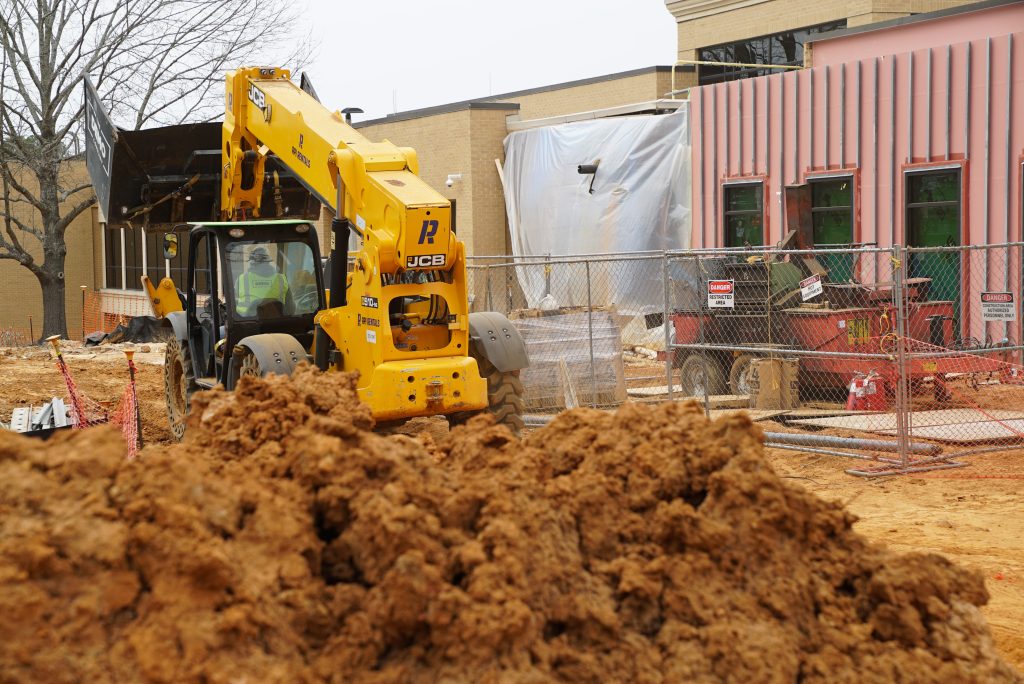
Safety is the most important consideration on any construction jobsite. From operating heavy equipment and working at height to trenching, excavation, and material handling, construction crews face numerous hazards every day. That’s why the Occupational Safety and Health Administration (OSHA) has established regulations designed to protect workers and create safer jobsites.
But here’s the question every contractor, project manager, and site supervisor should ask: Are you following all OSHA rules and regulations on your jobsite?
Non-compliance can lead to costly fines, project delays, equipment damage, increased workers’ compensation claims, and, most importantly, serious injuries or fatalities. Read on to learn why OSHA compliance matters and how the right equipment, training, and jobsite practices can help your team stay safe and productive.
Why it matters
OSHA’s mission is simple: to ensure safe and healthy working conditions for employees. Construction consistently ranks among the industries with the highest number of workplace injuries, making compliance especially critical.
A strong safety program guided by OSHA’s policies can help:
- Reduce accidents and injuries
- Improve worker morale
- Increase productivity
- Minimize downtime
- Lower insurance costs
- Protect your company’s reputation
- Avoid OSHA citations and penalties
Safety isn’t just about meeting regulations. It’s about creating a culture where every employee goes home safely at the end of the day.
Most common OSHA violations on construction sites
Many OSHA violations occur because contractors become focused on project deadlines and overlook basic safety requirements. Some of the most common construction violations include:
Fall protection
Falls remain one of the leading causes of death in construction. OSHA requires fall protection for employees working at certain heights and near unprotected edges.
Common issues include:
- Missing guardrails
- Improper use of personal fall arrest systems
- Unprotected roof edges
- Unsafe ladder practices
Regular inspections and proper employee training can significantly reduce fall-related incidents.
Scaffolding safety
Scaffolding provides necessary access to work areas but can create serious hazards when improperly assembled or maintained. OSHA requires:
- Proper scaffold construction
- Employee training
- Load capacity compliance
- Regular inspections
Using quality equipment from a reputable construction equipment rental company like RPI can help ensure jobsite equipment meets safety standards.
Excavation and trenching hazards
Trench collapses can occur in seconds and often result in catastrophic injuries. OSHA regulations require:
- Protective systems for trenches over five feet deep
- Daily inspections
- Safe access and egress
- Soil classification assessments
Proper trench safety equipment should always be used before employees enter excavations.
Hazard communication
Employees have a right to understand workplace hazards. Requirements include:
- Safety Data Sheets (SDS)
- Chemical labeling
- Hazard communication training
- Proper storage procedures
Failure to communicate hazards can expose workers to dangerous substances and increase liability for employers.
Equipment operations
Heavy equipment incidents remain a major source of construction injuries. OSHA expectations include:
- Qualified operators
- Equipment inspections
- Proper maintenance
- Safe operating procedures
Whether you’re using owned machinery or renting equipment from RPI, equipment should be inspected daily and operated according to manufacturer guidelines.
The role of equipment in OSHA compliance
Reliable, well-maintained equipment plays a major role in maintaining a safe jobsite. Equipment failures can create significant safety risks and increase the likelihood of OSHA violations. Key equipment considerations include:
Regular inspections
Equipment should be inspected before each shift for:
- Hydraulic leaks
- Damaged hoses
- Worn tires or tracks
- Broken safety devices
- Malfunctioning controls
Document inspections and address issues immediately.
Operator training
Even the safest machine can become dangerous when operated improperly. Ensure operators receive proper training on:
- Equipment controls
- Site-specific hazards
- Emergency procedures
- Load capacities
- Daily inspection requirements
Equipment maintenance
Preventive maintenance is essential for both productivity and safety. Partnering with an experienced construction equipment sales and rental company like RPI can help ensure machines remain in peak operating condition.
Maintaining OSHA-compliant housekeeping
Housekeeping is also a key OSHA expectation. A cluttered jobsite can lead to:
- Trips and falls
- Material handling injuries
- Fire hazards
- Equipment damage
Good housekeeping practices include:
- Removing debris daily
- Organizing materials
- Keeping walkways clear
- Properly storing tools and equipment
- Controlling dust and airborne hazards
Simple cleanup routines can have a major impact on overall jobsite safety.
Develop a jobsite safety culture
Compliance isn’t achieved through paperwork alone. It requires buy-in from everyone on the jobsite.
Successful contractors often implement:
Daily safety meetings
Brief toolbox talks help reinforce key safety topics and address project-specific risks.
Safety reporting programs
Workers should feel comfortable reporting hazards without fear of retaliation.
Ongoing training
Safety regulations evolve over time. Regular training helps ensure employees understand current requirements and best practices.
Leadership accountability
When supervisors prioritize safety, employees are more likely to follow established procedures.
Final thoughts
OSHA compliance isn’t simply about avoiding fines. It’s about protecting your most valuable asset: your people. It’s critical to take time to evaluate current safety practices, inspect your equipment, train your employees, and maintain organized jobsites. Small improvements today can prevent serious incidents tomorrow.
By investing in the right equipment from RPI Rentals, proper training, and a proactive safety culture, you can build a safer, more efficient jobsite and stay on track with OSHA compliance.