
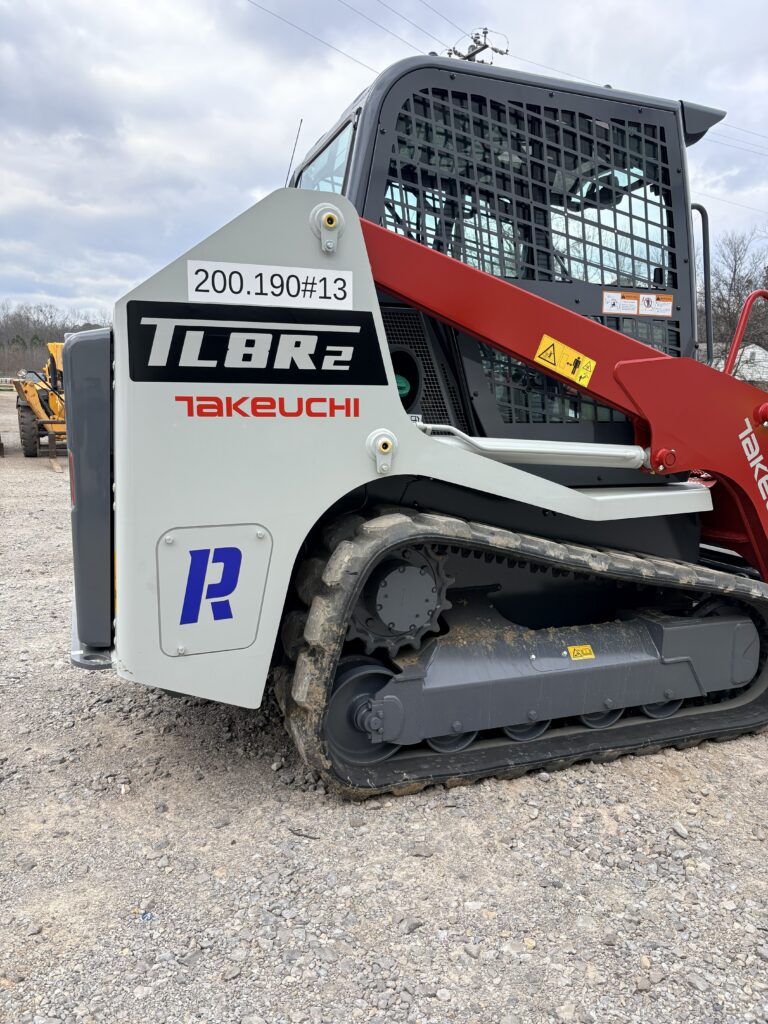
While it may not look like much, the skid steer is one of the most versatile pieces of equipment on a construction site. Inside its compact frame is a powerhouse of possibilities, from earthwork to utility installation to demolition and more. With a variety of attachments that allow the skid steer to take on multiple different jobs, it is a must have for your construction project.
Doing the Prep Work
Skid steers are commonly used at the beginning of construction projects because they can work closely to structures and in tighter areas than large loaders can. They are often used to:
- Clear topsoil
- Remove vegetation and debris
- Perform rough grading
- Backfill foundations
- Spread fill material
- Cut shallow trenches
- Build temporary access roads to the site
Common attachments to perform this work include:
- General‑purpose bucket
- Tooth bucket
- 4‑in‑1 bucket
- Land plane/grading blade
- Trencher
In the Trenches—in a Good Way
Skid steers are also often used to dig trenches for utility work on jobsites. These trenches can be dug for:
- Water lines
- Sewer
- Electrical conduit
- Gas
- Fiber/communications
They can also be used to backfill trenches and compact soil. Some attachments for these jobs include:
- Chain trencher
- Wheel trencher
- Auger (for directional or deep holes)
- Vibratory compactor wheel or plate
Reaching New Heights
Skid steers aren’t only useful for site preparation and building foundations. They can also be useful in structural and vertical construction by:
- Lifting wall panels or trusses (within capacity)
- Moving scaffolding
- Delivering materials to elevated areas
- Supporting steel erection
Some attachments needed for vertical and structural construction might include:
- Boom pole
- Crane hook
- Lift arm extensions
Get a Handle on Things
One of the most common uses for skid steers on a jobsite is for material handling because they’re easier to maneuver than forklifts and can operate on soft or uneven ground. Skid steers are adept at:
- Moving pallets of block, brick, tile, or roofing
- Transporting lumber and steel
- Loading and unloading trucks
- Staging materials near work areas
- Carrying concrete forms and rebar
Attachments for material handling can include:
- Pallet forks
- Extendable lift arms
- Crane hook or boom pole
Pouring it Out
In addition to their earthmoving, landscaping, and material handling uses, skid steers are used in almost every phase of concrete construction.
- Excavating footings
- Hauling forms and reinforcing steel
- Transporting wet concrete
- Placing concrete in hard‑to‑reach areas
- Surface prep and cleanup
- Removing forms and debris
Attachments for concrete work can include:
- Concrete bucket
- Cement mixer
- Power broom
- Cold planer (for surface preparation)
Tearing it Down
Skid steers also have many uses in light and medium demolition work, especially near occupied buildings. They’re great for:
- Slab removal
- Breaking sidewalks and curbs
- Interior demolition
- Clearing demolished materials
- Breaking asphalt and concrete
- Pulling posts or small structures
Attachments needed for demolition may include:
- Hydraulic breaker (jackhammer)
- Concrete pulverizer
- Grapple bucket
- Tooth bucket
The Finishing Touches
Once the major construction or demolition is done, skid steers are helpful for final site grading and paving. They can be used for:
- Fine grading
- Preparing pads for paving
- Smoothing backfilled areas
- Final surface leveling
- Removing damaged asphalt
- Milling small areas
- Sweeping before paving
- Spreading base material
- Assisting with patchwork
The attachments needed for this work may include:
- Box blade
- Grading attachment
- Laser grading system
- Land plane
- Cold planer (asphalt mill)
- Angle broom
- Bucket or spreader box
Wrapping it All Up
Once everything has been built, graded, and paved, skid steers are useful for cleanup and debris management on the jobsite. They can:
- Remove scrap material
- Pick up loose debris
- Load dumpsters
- Sweep parking lots and sidewalks
Some cleaning attachments include:
- Grapple bucket
- High‑dump bucket
- Power broom
- Trash bucket
Skid steers can be, and often are, a construction crew’s best friend due to their versatility. Their ability to work in tight spaces makes them integral for projects with minimal laydown or that deal with occupied structures; and their ability to change attachments and perform multiple tasks with only one operator ensures a lower operating cost and reduced downtime for the crew. Whatever you’re building, RPI Rentals is here to help you find the right one for you.