
Circular saws are one of the most essential power tools on any construction jobsite. Known for their portability, cutting power, and versatility, circular saws are used across multiple trades. Understanding the full range of circular saw uses can significantly improve efficiency and productivity on your projects.
Building the frame
One of the primary uses of a circular saw is cutting framing lumber. Whether you’re building walls, roofs, or floors, this tool helps:
- Cut studs to precise lengths
- Trim joists and rafters
- Build wall frames efficiently
Circular saws are ideal for repetitive cuts, making them perfect for large framing projects where speed and consistency matter.
Cutting materials
Circular saws are especially effective for handling large sheet goods that are difficult to cut on stationary tools. These materials may include:
- Plywood
- OSB (Oriented Strand Board)
- MDF (Medium Density Fiberboard)
When used with a straightedge guide or track, circular saws can achieve clean, straight cuts for subfloors, walls, and cabinetry.
Rip cuts and crosscuts
Circular saws handle woodworking with ease when paired with the right blade. This makes it perfect for resizing lumber or customizing materials on-site.
Two of the most common woodworking cuts are:
- Rip cuts – cutting along the grain
- Crosscuts — cutting across the grain
Considering all angles
Modern circular saws come equipped with an adjustable base plate for angled cuts. This makes it easy to create:
- Bevel cuts for trim
- Angled rafters
- Custom carpentry joints
This flexibility eliminates the need for additional tools in many cases.
Two birds with one stone
With the proper blade, circular saws can cut more than just wood. They are adept at cutting through:
- Metal (with carbide or abrasive blades)
- Plastic and PVC piping
- Fiber cement boards
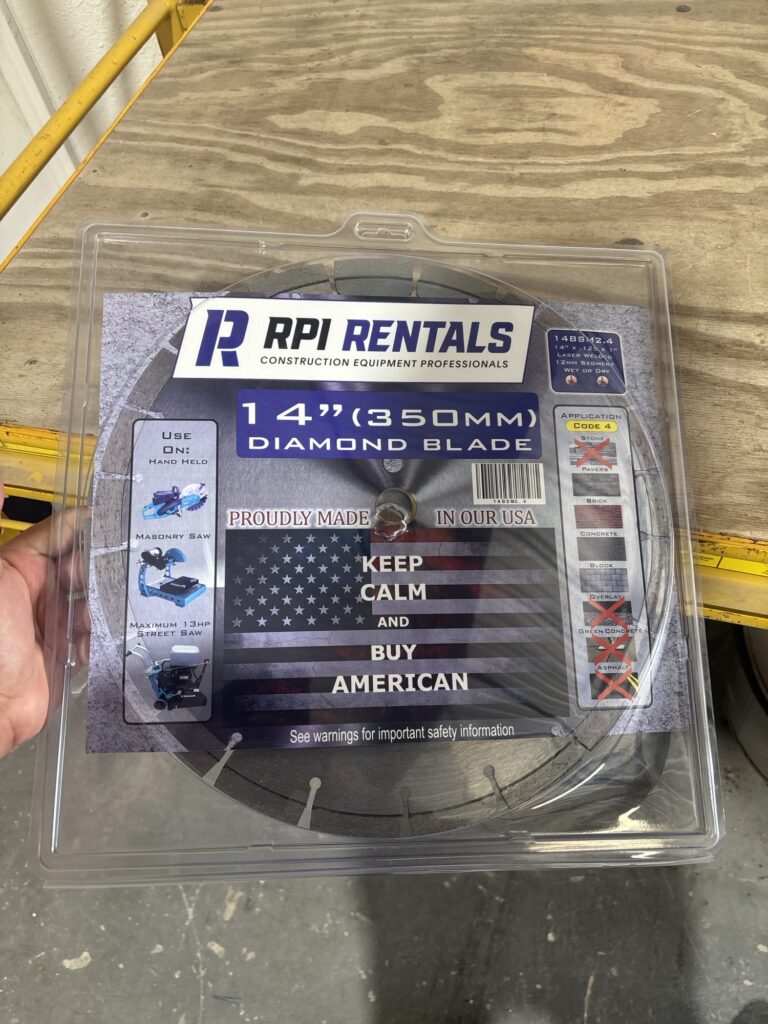
- Masonry materials (with diamond blades)
Their versatility makes circular saws valuable for electricians, plumbers, and general contractors alike.
Demolition and remodeling
Circular saws are useful during renovation and demolition phases of projects where speed is more important than precision. They are commonly used for:
- Cutting through old framing
- Removing flooring sections
- Breaking down panels
Although reciprocating saws are often used in these scenarios, circular saws are faster for straight cuts.
Plunge cuts and notching
Circular saws can also perform more advanced cuts, such as:
- Plunge cuts (starting in the middle of material)
- Notching wood for joints or fittings
These techniques are useful for installing vents, electrical boxes, or custom fittings.
Setting the stage for concrete
Before pouring concrete, circular saws help build the supporting structures by:
- Cutting wooden forms
- Shaping stakes and supports
- Trimming panels to fit exact dimensions
Adjustments in a snap
Construction projects often require last-minute changes. A circular saw is perfect for:
- Fixing miscuts
- Adjusting material sizes
- Making on-the-spot modifications
Its portability allows workers to carry it anywhere onsite for immediate use.
Keeping it safe
While circular saws are extremely useful, they must be handled carefully. Always follow these safety practices to ensure both efficiency and injury prevention:
- Wear safety glasses and hearing protection
- Keep hands clear of the blade
- Ensure the blade guard is functioning properly
- Support materials to avoid kickback
From framing and cutting plywood to demolition and detailed cuts, circular saws are one of the most versatile tools in construction. Their ability to handle multiple materials, perform various cutting techniques, and deliver fast results makes them indispensable for professionals and DIYers alike.
If you’re looking to improve productivity and precision on your jobsite, investing in a quality circular saw is a necessary move. Check out the construction tools we have for sale and see how RPI can help you with your jobsite needs.